Why Your Cookies Keep Burning on the Bottom (And How to Fix It)
The bottom of your cookies burns during baking because of specific reasons which you can easily solve.
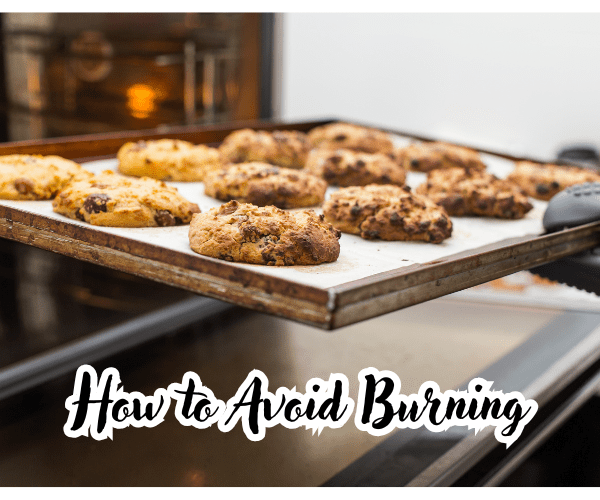
The process of taking cookies from the oven reveals burnt bottoms while the surface remains unscathed which creates a frustrating experience for bakers.
The main causes behind this common baking problem remain basic while their solutions remain basic as well.
The combination of proper equipment including a modern Smeg oven with minor adjustments will help you achieve perfectly golden cookies while eliminating burnt bottoms.
Page Contents
ToggleCheck Your Oven Temperature
The main reason behind burnt cookies at the bottom stems from incorrect oven temperature readings.
The actual oven temperature exceeds the displayed numbers which results in cookies that cook too fast at the bottom.
An affordable oven thermometer allows you to check the actual oven temperature.
When your baked goods finish before the expected time you should decrease the oven temperature by 10 to 15 degrees.
Rethink Your Baking Trays
All baking trays differ from one another. The dark thin baking pans absorb heat rapidly which leads to burnt cookie bottoms.
Choose light-colored heavy-gauge aluminum trays because they distribute heat better than other options.
Dark pans require a protective layer of baking paper or silicone baking mat placed under cookies to prevent burning.
Adjust the Rack Position
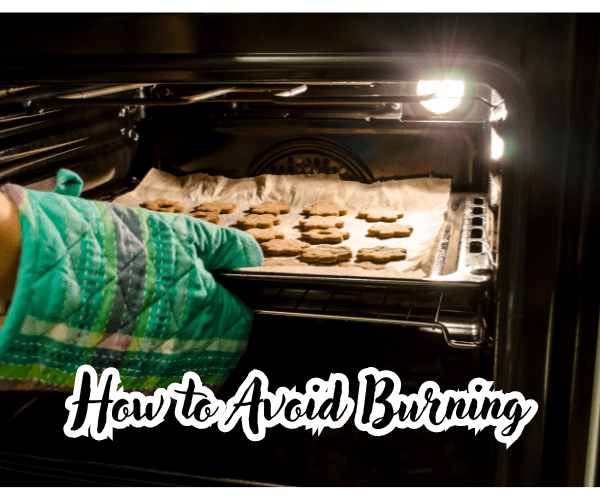
The position at which you place your tray inside the oven determines the final outcome of your baked goods more than people realize.
The position near the heating element on the bottom rack causes cookies to develop burnt bottoms.
Moving your tray to the middle or upper-middle rack position will result in better heat distribution.
A basic change in tray position will lead to a complete transformation of your baking results.
Use Baking Mats or Paper
Hot metal contact with dough surfaces leads to an increased chance of burning.
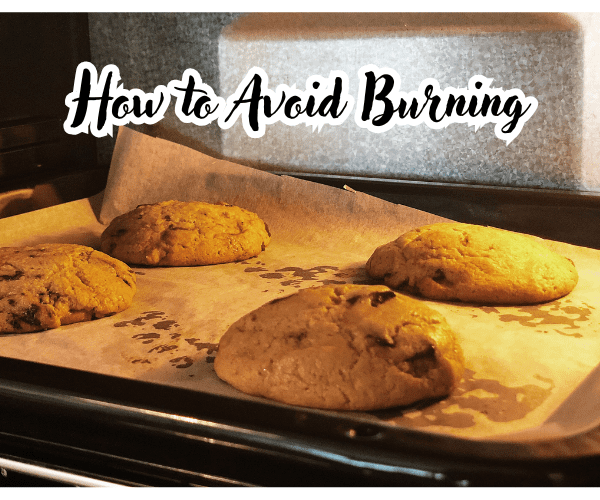
The combination of baking mats made from silicone Silpats and high-quality baking paper establishes a protective barrier which promotes uniform cookie baking.
The added benefit of these products includes effortless cleaning tasks.
Watch the Timing
The momentary distraction causes people to forget about their cookies in the oven which results in overcooking.
Cookies transform from perfectly baked to overcooked within a short period of time.
Start your timer at the shortest recommended baking time then inspect your cookies right away.
The baking process continues after oven removal so it is best to remove cookies when their edges start showing golden color.
Cool Trays Between Batches
You should never place new dough on hot oven trays that have just finished baking multiple batches.
The remaining oven heat causes butter to melt right away which results in cookies that become misshapen and develop irregular browning patterns.
You should let trays reach room temperature before adding new dough or maintain two trays for alternating use between batches.
Small Tweaks, Big Improvements The following quick tips help prevent cookie bottoms from becoming burnt during baking:
➤ Chill the dough before baking to stop excessive spreading.
➤ The proper arrangement of cookies with enough space allows air to move freely.
➤ The oven should not contain multiple trays because this causes baking problems.
➤ The baking process requires tray rotation at the halfway point to achieve uniform results.
Enjoy Cookies That Look as Good as They Taste
The occurrence of burnt bottoms on cookies indicates your kitchen equipment needs minor adjustments rather than indicating poor baking skills.
Your cookies will achieve perfect results when you monitor oven temperature and use proper trays and follow rack placement and timing guidelines. This will produce golden-brown cookies with crispy edges and chewy centers.
A few intentional changes to your baking process will transform your baking experience from negative to positive.
Your cookies will emerge from the oven with perfect appearance and flavor in every batch.