
From Chaos to Chic: Organizing a Seamless Move to Your New City Home
There is a distinct romance associated with moving to a new city apartment.
You imagine the morning light hitting the floorboards, the art placed perfectly above the mantle, and the dinner parties you will host in a space that finally reflects your refined taste.

It is a fresh start. It is a blank canvas for your interior design dreams.
But before you can pour the wine and admire the view, you have to get there.
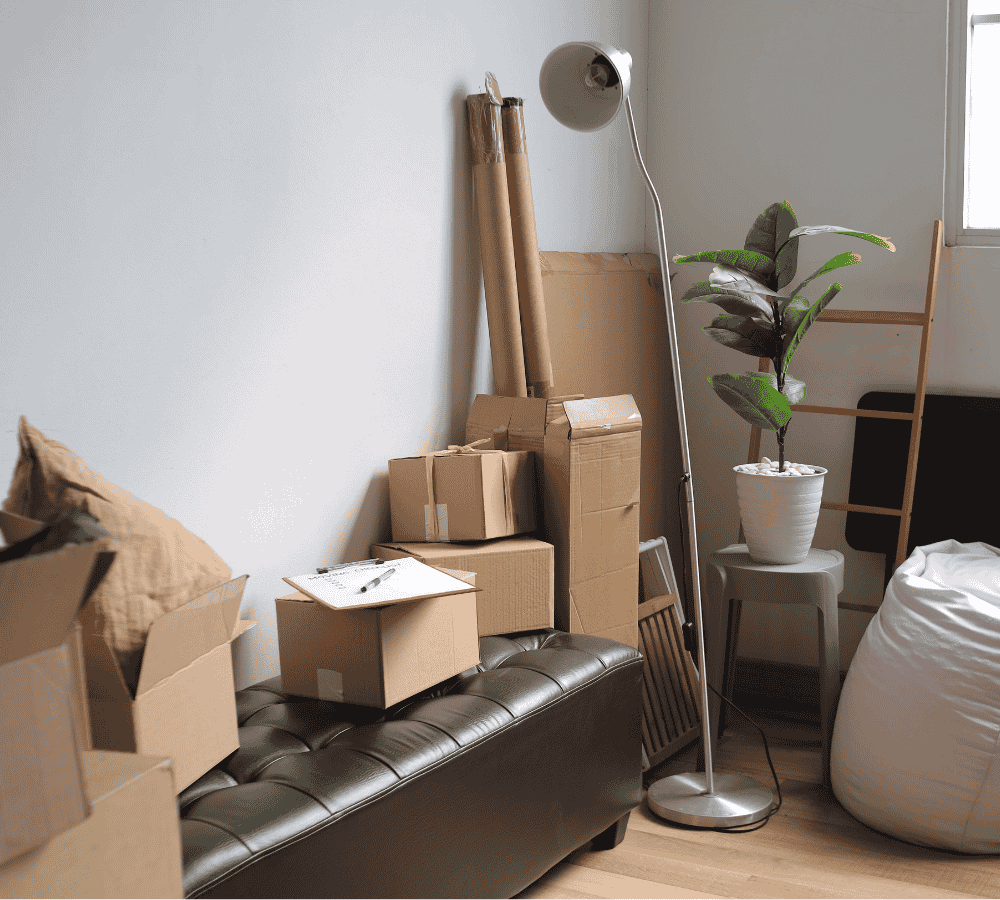
The reality of moving is often less “architectural digest” and more “cardboard fortress.”
It involves dust, complicated logistics, heavy lifting, and the potential for immense stress.
However, the difference between a chaotic move and a seamless transition lies entirely in the strategy.
Treating your move as a project management challenge rather than just a physical chore can preserve your sanity.
It ensures your carefully curated belongings arrive in pristine condition, ready to be displayed.
The art of strategic planning
A successful move begins weeks before the first box is taped shut. If you are moving into a dense urban environment, the logistical challenges multiply instantly.
You are not just dealing with volume. You are dealing with access.
Narrow stairwells, strict elevator reservation windows, and parking permits for the moving truck are all variables that can derail the day if not managed in advance.
This is when getting expert assistance becomes an investment in your peace of mind.
If you’re moving to a city with a lot of old buildings and complicated layouts, trying to do it yourself may sometimes lead to shattered treasures and damaged walls.

For example, you need to know how to get around the brownstones and winding streets of New England.
If you hire expert movers in Boston, you can be confident that the hard lifting will be done by individuals who know how to transfer a sectional couch through a narrow doorway without harming the finish.
You free up your mental capacity by letting professionals who know the area do the practical work.
You don’t have to worry about the brake lights on a rental vehicle; you can concentrate on how the transition looks and how it will work.
Create a master binder or a digital workspace for the move. This should contain your floor plan, the moving company contract, insurance details, and a strict timeline.
Knowing exactly where the truck will park and having the building superintendent on speed dial changes the vibe from panic to control.
Edit your belongings like a curator
The most common mistake people make is packing everything they own with the intention of sorting it out later.
Later never comes. You end up with boxes of college textbooks and chipped mugs taking up valuable square footage in your new, chic apartment.
View the move as a curation process. Your new home has a specific style and energy.
Everything you bring into it should align with that vision. Go through your belongings with a ruthless eye.

If a piece of furniture is too large for the new layout, sell it.
If your wardrobe is bursting with clothes you haven’t worn in two years, donate them.
This step is crucial for city living where storage space is often a luxury. The less you have to move, the lower your costs will be.
It also means you will be able to unpack and style your new surroundings much faster. Visualize the aesthetic of your new living room.
If that old, lumpy armchair doesn’t fit the vibe, do not pay money to transport it across town just to hide it in a corner.
Packing with the unboxing in mind
Most people pack room by room, which is standard practice. But to elevate the process, you need to pack for the unboxing experience.
Instead of labeling a box simply “Kitchen,” be specific. “Kitchen: Daily Dishes & Cutlery” tells you that this box is a priority.
“Kitchen: Holiday Bakeware” tells you that this box can stay sealed for months if necessary.
Consider using a color-coding system with stickers. Assign a color to each room in the new house and place a corresponding sticker on the door of that room.

When the movers arrive, they don’t need to ask you where every single box goes.
They just match the colors. This keeps the traffic flow efficient and prevents the bottleneck of boxes piling up in the hallway.
Invest in high-quality packing materials. Wardrobe boxes allow you to move clothes right from the closet rod to the box and back again.
This saves hours of ironing and re-hanging. For your art and mirrors, use telescoping boxes and plenty of bubble wrap.
Your decor is the soul of your home. Protecting it should be the priority.
The open first survival kit
Nothing kills the joy of a new home faster than not being able to find your toothbrush or your phone charger at 11 PM on moving day.
Pack a clear plastic bin or a dedicated suitcase with your absolute essentials. This should include:
● Toiletries and medications.
● A change of clothes and pajamas.
● Bed sheets and pillows. Making the bed is the first thing you should do.
● Basic cleaning supplies.
● A tool kit including a box cutter, screwdriver, and hammer.
● A bottle of wine and a corkscrew, or your preferred celebratory drink.
● Pet food and bowls if applicable.
This kit stays with you in your personal vehicle or is the very last thing loaded onto the truck.
That means it is the first thing off. Having these items accessible means you can function immediately without tearing through twenty random boxes in a panic.
Styling as you unpack
The standard approach is to get everything out of boxes as fast as possible and worry about placement later. A better approach is to style as you go.
Start with the bedroom. Your sleep quality directly impacts your ability to handle the stress of the following days.
Set up the bed, make it look inviting, and arrange the lighting.
Even if the rest of the apartment is a maze of cardboard, having a serene sanctuary to retreat to is vital.
Next, tackle the kitchen and the bathroom. These are the functional engines of the home.
Once they are operational, the house feels livable. Save the living room and decorative shelving for last. This is the fun part.
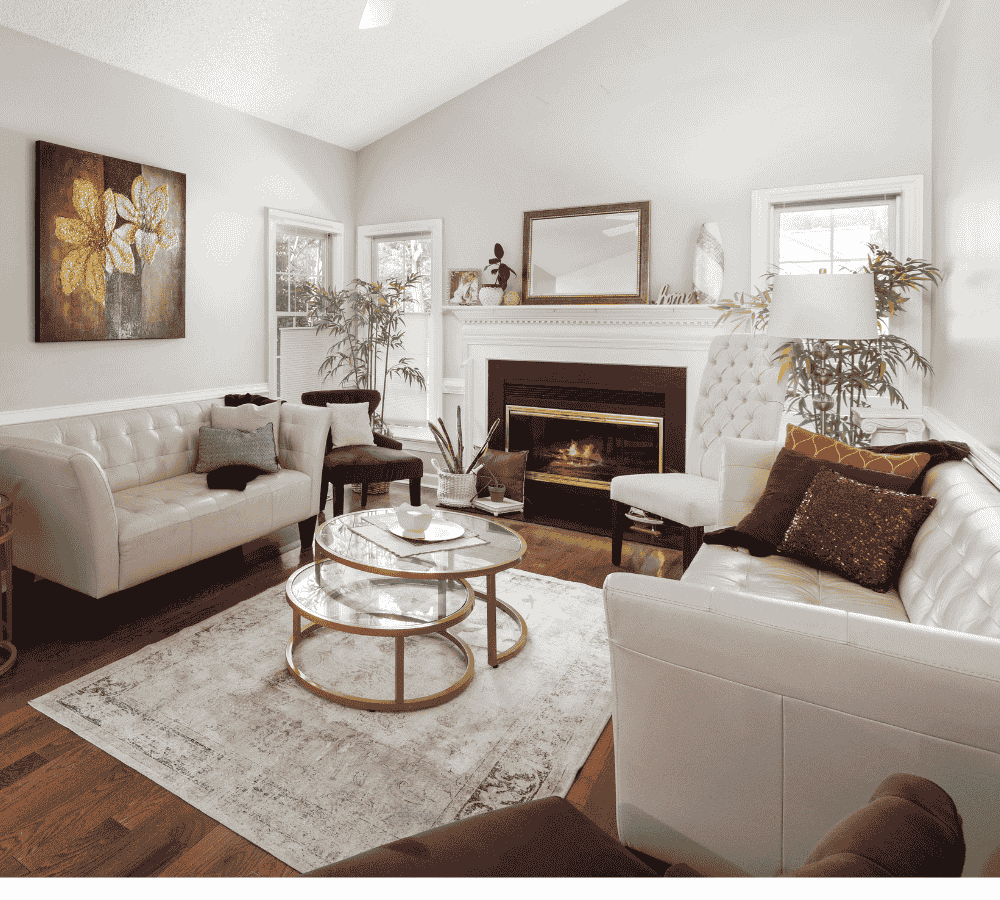
Take your time placing books, adjusting the rug, and hanging art. Because you edited your belongings earlier, you aren’t trying to cram clutter onto your shelves.
You are placing objects that have meaning and beauty.
Lighting and ambiance
One aspect of moving that is often overlooked is the immediate change in lighting.
The overhead lights in a new apartment can feel harsh and unwelcoming on the first night.
Make sure your floor lamps and table lamps are accessible.
As the sun goes down on your first day, switch off the main ceiling lights and use your lamps to create a warm, cozy glow.
It instantly changes the mood from “construction zone” to “home.”
Scents play a role here too. Light a candle or set up a diffuser with a familiar scent. It signals to your brain that this is a safe, relaxing space.
Embracing the new atmosphere
Once the movers have gone and the noise has settled, take a moment to just be in the space. It might not be perfect yet.
There might be a stack of boxes in the corner and a bare window waiting for curtains. But it is yours.
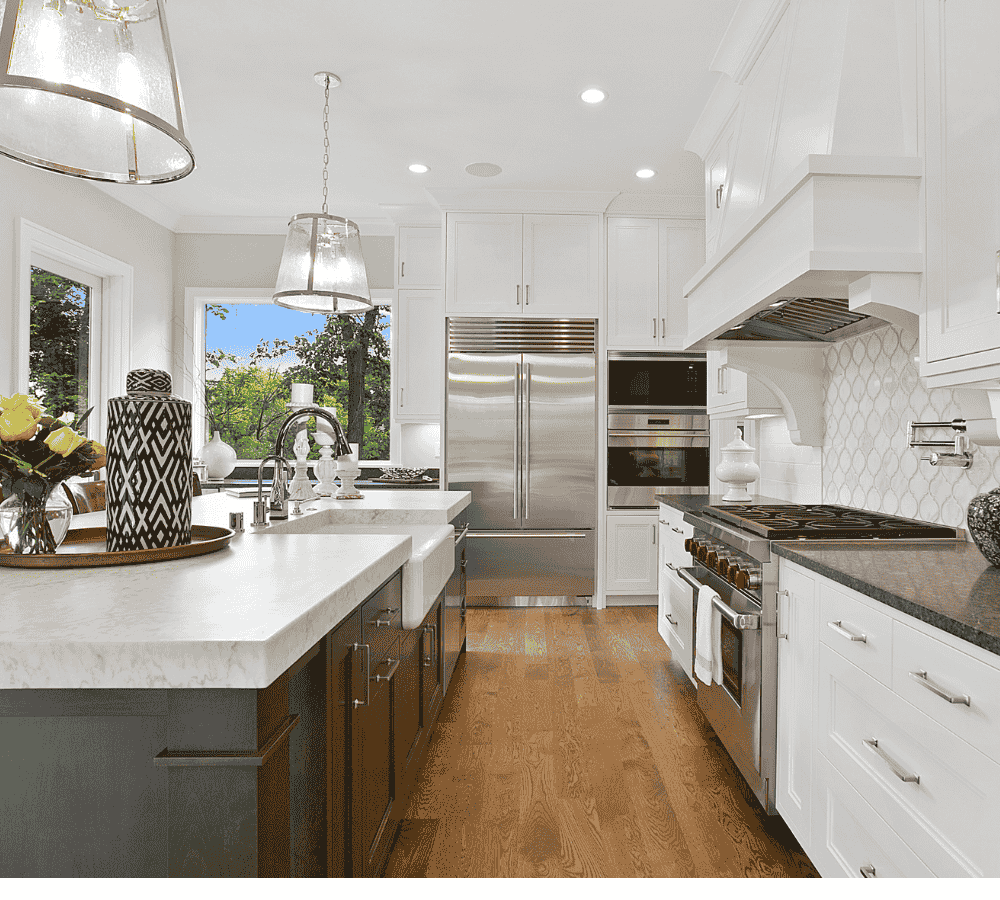
The transition from the chaos of packing tape and logistics to the chic elegance of a well-designed home doesn’t happen instantly.
It is a process of layering. But by organizing the logistics with precision and treating the move as a design opportunity rather than a chore, you set the tone for your life in the new space.
You start not with exhaustion but with anticipation for all the memories you are about to create.