
Spring Thaw to First Frost: A Seasonal Maintenance Calendar for Canadian Sheds
As the snow melts and the first drops of spring rain soften the ground, Canadians everywhere are eager to reclaim their outdoor spaces.
Whether your shed holds gardening tools, camping gear, or off-season sports equipment, keeping it well-maintained year-round ensures years of protection and practical storage.
This calendar walks you through a full year of shed care—from the first thaw of spring to the first frost of fall—so your structure stays solid, dry, and ready for anything Canadian weather throws at it.

Spring: Thaw, Inspect, Refresh
Spring is shed inspection season. After months of cold and ice, your first task is to check for winter damage.
Start with these basics:
● Inspect the roof and walls. Look for cracked panels, loose shingles, peeling paint, or moisture stains. Snow load and freeze-thaw cycles can cause subtle shifts or leaks.
● Clear out debris. Remove leaves, salt residue, and any nesting materials small animals may have left behind.
● Check the foundation. Make sure the shed is level and that no water pools around the base. Good drainage prevents rot and rust.
Once the shed is structurally sound, move to the interior refresh.
Sweep out cobwebs, reorganize your tools, and sharpen mower blades or pruners before planting season begins.
Spring is also an excellent time to apply a new coat of paint or sealant if the walls are starting to fade.
If your shed is plastic or resin-based—like Keter’s plastic storage sheds—you’ll appreciate that these materials resist moisture damage and require minimal upkeep.
A quick rinse with mild soap and water is usually enough to restore their fresh, clean finish.
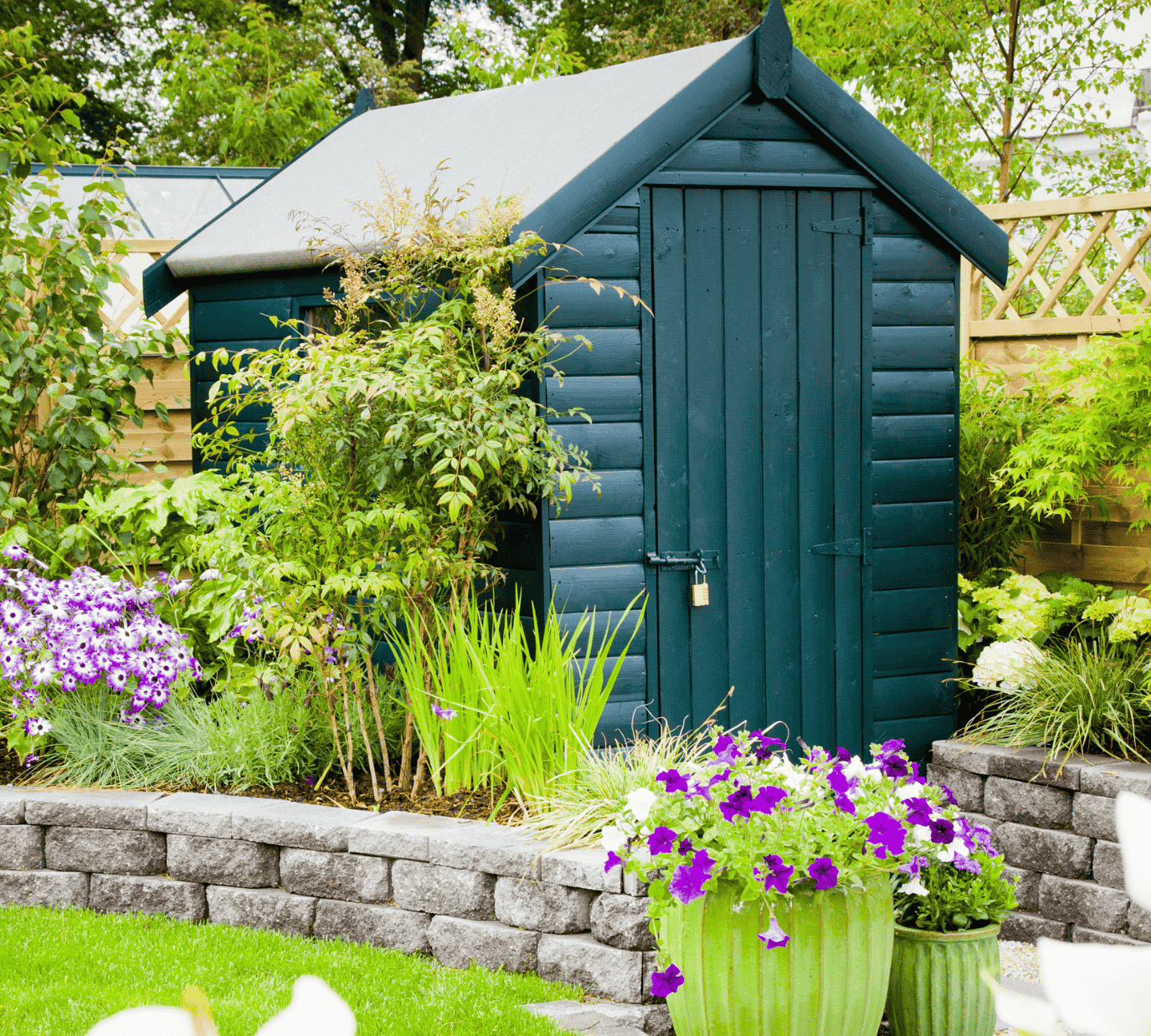
Summer: Organize, Ventilate, Protect
Once the growing season begins, your shed often becomes a daily-use space. With frequent traffic, organization and climate management matter most.
Mid-summer maintenance tips:
● Maximize airflow. Open windows or vents to reduce humidity and prevent mildew. Some Canadians add small solar fans to increase ventilation during humid spells.
● Reorganize frequently used tools. Hang garden tools on wall hooks and store fertilizers and chemicals safely in sealed bins, away from heat.
● Lubricate hinges and locks. Sun exposure and temperature fluctuations can cause metal parts to seize. A light oiling every few months keeps everything smooth.
● Inspect seals and doors. Gaskets can expand in heat and contract in cooler nights. Make sure doors close properly to keep pests out.
Summer’s long days also present the perfect opportunity to upgrade your shed’s efficiency.
Consider weatherstripping gaps, adding a small LED motion light, or creating a designated zone for recreational gear like folding chairs, kayaks, or beach equipment.
By mid-August, start thinking ahead: fall prep begins earlier than you might think, especially in northern provinces where cold snaps can arrive quickly.
Fall: Prepare for Frost and Storage Season
Autumn is when your shed transitions from daily-use workspace to winter storage mode.
The shift begins as leaves start changing, typically in late September or early October.
Your fall checklist includes:
● Clean and dry everything before storing. Dirt, moisture, and plant matter can attract mold or pests over winter.
● Seal openings. Check corners, vents, and doors for gaps where cold air or critters could enter. Use expanding foam or weather tape as needed.
● Inspect for leaks. Even tiny pinholes can become major leaks after a few freeze-thaw cycles. Catch them early to avoid spring surprises.
● Clear the roof and gutters. Prevent ice dams and weight buildup by clearing every bit of debris before the first snow.
● Organize winter access items. Place snow shovels, salt, and ice melt near the door where they’re easy to reach when snowfalls begin.
Fall is also an excellent time for minor repairs. Tighten loose screws, replace cracked boards, and store summer decor or cushions properly to prevent mold.
By late October, your shed should be sealed and organized—ready for hibernation.
Winter: Monitor and Maintain from Within
Winter doesn’t require daily shed maintenance, but it’s wise to check in monthly.
Snow buildup around the base can trap moisture, accelerating wear. Use a broom or soft shovel to clear the roof after heavy snowfall to prevent strain on the structure.
If you access your shed in winter, keep a rubber mat inside the entrance to catch meltwater.
For wooden sheds, maintain ventilation to reduce condensation; for metal or resin models, ensure the locks and door handles don’t freeze shut.
When possible, avoid placing heavy snow-clearing tools directly against walls or doors—they can warp panels over time.
Even though this season offers fewer chores, these small efforts protect your investment through the harshest months.
Year-Round Shed Care Tips
To complement your seasonal schedule, keep these practices in mind all year long:
● Create a maintenance log. Record checks, cleanings, and repairs. It helps you spot recurring issues before they escalate.
● Store smartly. Use stackable bins and label everything clearly. Rotating seasonal tools saves space and prevents clutter.
● Mind the surroundings. Trim nearby trees and shrubs so branches don’t scratch or fall onto your shed in storms.
● Watch moisture levels. Whether your shed is wood, metal, or plastic, controlling humidity prevents deterioration.
Regular upkeep takes less time than major repairs. A few minutes each season ensure your shed continues to serve as a reliable, weatherproof extension of your home.
Caring for a shed in Canada means working with the seasons instead of fighting them.
From the first drip of spring thaw to the first icy morning of fall, each step keeps your shed strong, organized, and ready for another year of gardening, storage, and outdoor adventures.