5 Essential Tips for Redesigning Your Home
Your home is the first description of your self-expression. When people walk in, the layout, ambience, and setting should reflect your personality.
If it doesn’t, or if your preferences have changed, it might help to create a new design that matches your current style.
The planning process requires several steps. Depending on the extent of your redesign, you can do it yourself or hire professionals.
In either case, you must prepare in advance. Keep reading to discover some essential steps for organizing and simplifying your redesign process.
Define Your Redesign Goals
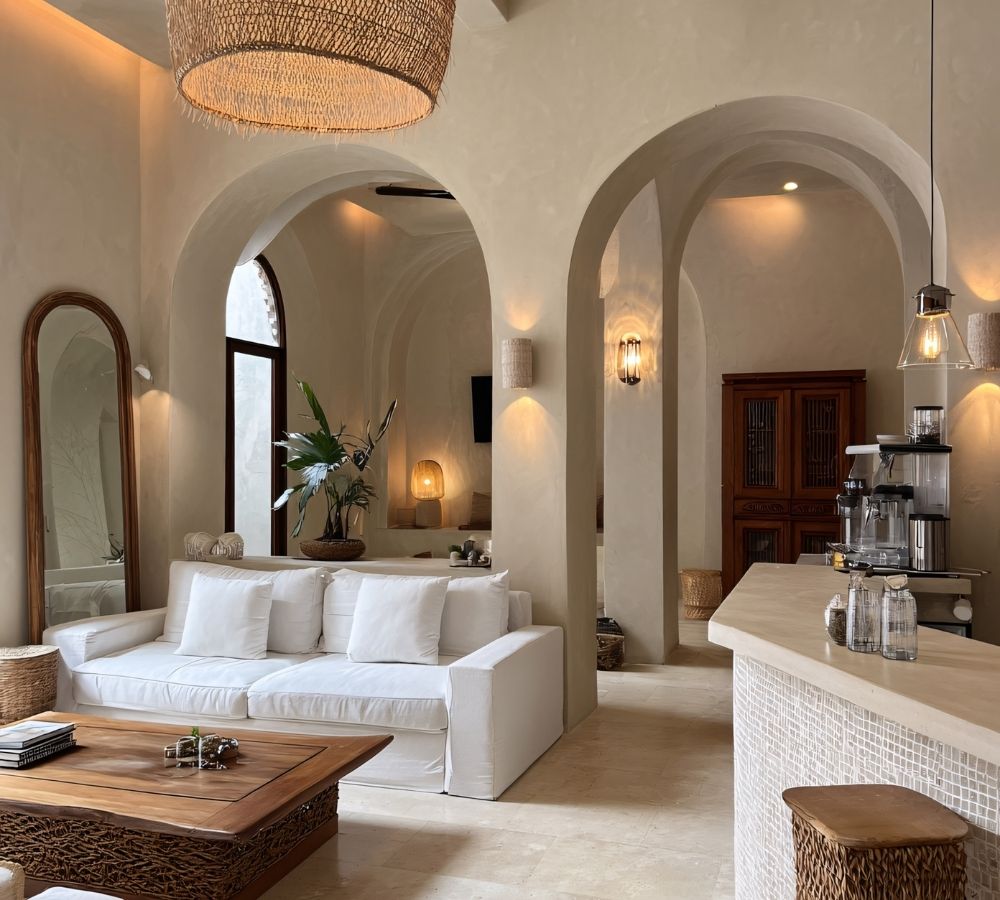
Before you start expanding ideas, you must first have all your end goals in place. For example, note whether you prefer a modern style or an old-money aesthetic.
Determining what you want to achieve provides you with a baseline you can always reference throughout the project.
Also, having clearly defined goals makes it easier for you to communicate your ideas to contractors.
This way, there’ll be fewer last-minute changes, and you’ll be able to achieve better results.
Clear Out Your Space Before You Start
During the redesign process, you’ll have to move a lot of things around. Your furniture, appliances, and other belongings may pose obstacles to workers.
Hence, you must declutter your home or the rooms you intend to work on before the project begins.
You can pack small items into labeled boxes and move them into your garage, attic, or basement for the time being.
If you intend to redesign these places as well, you’ll need an external storage solution.
Several moving services offer on site storage containers for rent. You can order one of these and set it up in your backyard.

Account for Hidden Costs When Budgeting
Most people only set aside money for materials and contractor fees when budgeting for a design job.
However, redesigning a space is cost-intensive and requires much more money.
When budgeting, remember to include all potential costs, such as permit fees, storage rentals, delivery charges, and unexpected replacements or repairs.
While you may not be able to decipher the exact cost of each expense, you can work with estimates.
It’s always better to have extra money left over after completing the redesign job than to run short of funds while on it.
Choose Materials and Colors Wisely
Some materials are pretty and attractive, enhancing aesthetics. However, design entails more than appearance.
You need to consider various factors, including strength, cost, and maintenance requirements. For example, glazed tiles are pretty, but homogenous tiles last longer.
It’s better to use high-quality materials with a higher up-front cost than to opt for cheaper alternatives.
The better the quality, the less you’ll spend on maintenance and repairs in the long run.
Use a Room-by-Room Redesign Strategy
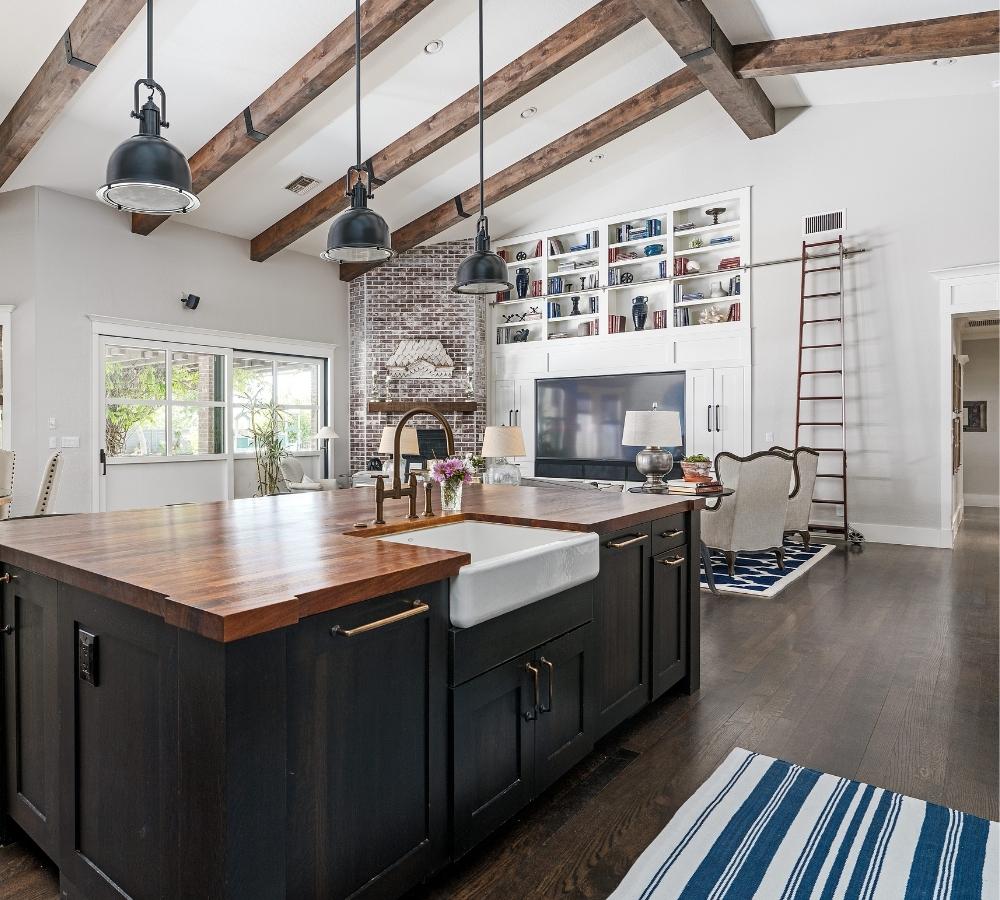
If you’re embarking on a DIY project, working on one room at a time helps keep things organized.
This way, you’ll work with minimal disruption as other parts of your house remain neat, arranged, and functional.
This strategy works even when hiring professionals and can help you cut costs.
If you attempt to redesign the entire house at once, you’ll have to move out temporarily.
But when tackling rooms individually, you can continue living in your home while the work progresses.
Endnote
Before you redesign your home, you need to visualize and map out your goals, then declutter to promote ease of movement.
It’s also imperative that you consider hidden costs when budgeting, purchase quality materials, and work on each room individually to achieve a good result.