
Simple Ways to Keep Your Saltwater Pool Running Smoothly
A saltwater pool offers a cleaner, softer swimming experience, but it still relies on the right care to perform at its best.
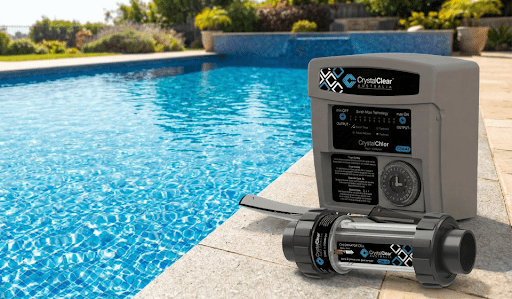
At the heart of the system is the saltwater pool chlorinator, which quietly converts salt into chlorine to keep the water safe and balanced.
While this setup reduces the need for harsh chemicals, it doesn’t mean your pool is maintenance-free.
Small, consistent steps can make a big difference in keeping your water clear, your equipment efficient, and your pool ready to enjoy at any time.
Easy Tips to Maintain a Smooth-Running Saltwater Pool
Maintain Proper Salt Levels
Saltwater pools rely on a salt chlorinator to produce chlorine naturally from the salt dissolved in water.
Maintaining the correct salt concentration is essential for the chlorinator to operate efficiently and keep your pool water clean, safe, and balanced. Key tips for managing salt levels:
● Test Salt Levels Regularly: Check the salt concentration at least once a week to ensure it stays within the recommended range.
● Adjust Salt Gradually: If levels are too low or too high, add or remove salt in small increments. Sudden changes can affect water chemistry and reduce chlorinator efficiency.
● Avoid Overloading: Never add large amounts of salt at once, as this can strain the chlorinator cell, potentially causing damage or reducing its lifespan.
Proper salt management not only keeps your pool sparkling clear but also prevents costly repairs and maintenance issues over time.
Monitor and Balance Water Chemistry
Even in a saltwater pool, maintaining balanced water chemistry is essential for swimmer safety, comfort, and protecting pool equipment from corrosion or scaling.
Proper chemical balance also ensures the salt chlorinator works efficiently.
It is important to regularly check pH levels to prevent irritation and keep chlorine effective.
Regular water testing allows you to make adjustments early, keeping the water clear, safe, and pleasant for swimmers while helping to prolong the life of pool equipment.
Keep the Chlorinator Cell Clean
The salt chlorinator cell is the heart of a saltwater pool system. Over time, calcium and mineral deposits can build up on the plates, reducing efficiency. Maintenance tips for the chlorinator cell:
● Inspect the cell regularly, depending on usage and water conditions, to catch early signs.
● Clean with a mild acid solution when deposits are visible, taking care to follow safety procedures and avoid damaging the plates.
● Follow the manufacturer’s guidelines for cleaning frequency and technique to ensure long-term reliability.
A well-maintained chlorinator ensures consistent chlorine production and reduces the risk of algae or cloudy water.
Prevent Algae and Scale Build-Up
Algae growth and calcium scaling can affect water clarity and damage pool surfaces.
Preventive measures are far more effective than corrective treatments. Strategies to avoid issues:
● Maintain consistent sanitiser levels to prevent algae from taking hold and to keep the water safe for swimmers.
● Monitor calcium hardness regularly to reduce the risk of scaling on the pool walls, floor, and equipment.
● Brush pool surfaces and circulate water regularly to remove debris, prevent algae attachment, and ensure even chemical distribution.
Early detection and proactive maintenance keep the pool clean, safe, and visually appealing, while also protecting equipment and extending the life of the pool surfaces.
Seasonal Maintenance Adjustments
Different seasons bring unique challenges, even for saltwater pools.
Adjusting your maintenance routine ensures year-round reliability. Seasonal considerations include:
● Increase cleaning during periods of heavy use to prevent clogged filters and the growth of algae.
● Check water chemistry more frequently in warmer weather, as higher temperatures can accelerate chlorine consumption and affect pH balance.
● Prepare the pool for reduced use during cooler months by adjusting the chlorinator output and maintaining circulation to prevent stagnation and scaling.
Seasonal adjustments prevent long-term problems and keep your pool ready whenever needed.
Conclusion
Maintaining a saltwater pool requires consistent care and attention, but following simple strategies can make the process straightforward and effective.
By keeping salt levels balanced, monitoring water chemistry, cleaning the chlorinator cell, preventing algae and scale build-up, and adjusting maintenance routines seasonally, you can ensure your pool remains clean, safe, and enjoyable all year round.
For those planning a new pool or looking for professional support, experienced pool builders in Geelong can assist with pool design, equipment selection, and long-term maintenance, ensuring your saltwater pool remains smooth-running, safe, and enjoyable year-round.
Frequently Asked Questions
How often should salt levels be tested in a saltwater pool?
● Salt levels should be tested at least once a week to ensure they remain within the recommended range.
● Regular testing helps the chlorinator operate efficiently and prevents water imbalances.
Why is water chemistry important in a saltwater pool?
● Balanced water chemistry ensures swimmer comfort, prevents irritation, protects pool equipment from corrosion or scaling, and keeps chlorine effective for sanitation.
How can the chlorinator cell be maintained?
● The chlorinator cell should be inspected regularly and cleaned when calcium or mineral deposits appear.
● Cleaning with a mild acid solution, following manufacturer guidelines, ensures consistent chlorine production and long-term reliability.
How should maintenance routines change with the seasons?
● Maintenance should adjust based on seasonal conditions. Increase cleaning during heavy use, test water chemistry more frequently in warmer weather, and reduce chlorinator output while maintaining circulation during cooler months to prevent stagnation and scaling.
What are the risks of neglecting saltwater pool maintenance?
● Neglecting maintenance can lead to cloudy water, algae growth, scaling on surfaces, equipment damage, and inefficient chlorinator performance.


