How to Use Feeding Bra the Right Way for Stress-Free Nursing
Although breastfeeding may be the most natural and delightful experience for a woman as a mother, it can be overwhelming in its entirety.
The act of breastfeeding can require a woman to settle in comfortably and have her breasts accessible to breastfeed.
One of the milestones in this beautiful yet crazy journey is the feeding bra, or nursing bra.
When used properly based on the design of the nursing bra, the act of nursing can be less of a burden and more comfortable.
This may be especially true for mothers who desire additional support, such as a nursing bra for a large bust.
This article will be your all–inclusive guide to navigating the feeding bra so that you feel empowered and comfortable.

What Is a Feeding Bra, and Why Is It Useful?
A feeding bra, or nursing bra, is a bra that has been created specifically for mothers who breastfeed.
Feeding bras, in comparison to regular bras, allow for quick and easy opening while providing the supportive structure necessary for full, heavy, and often sore breasts postpartum.
The primary benefit of a feeding bra is convenience. Feeding bras will save you time on late-night feeds.
Feeding bras can also more discreetly cover your breasts while nursing in public.
If you have a nursing bra for the large bust, the additional support will take weight off your shoulders and back but also position your breasts in a manner that assists in breastfeeding.
Key Features to be Aware of: Drop-Down Cups, Clips and Clasps, and Supportive Panels
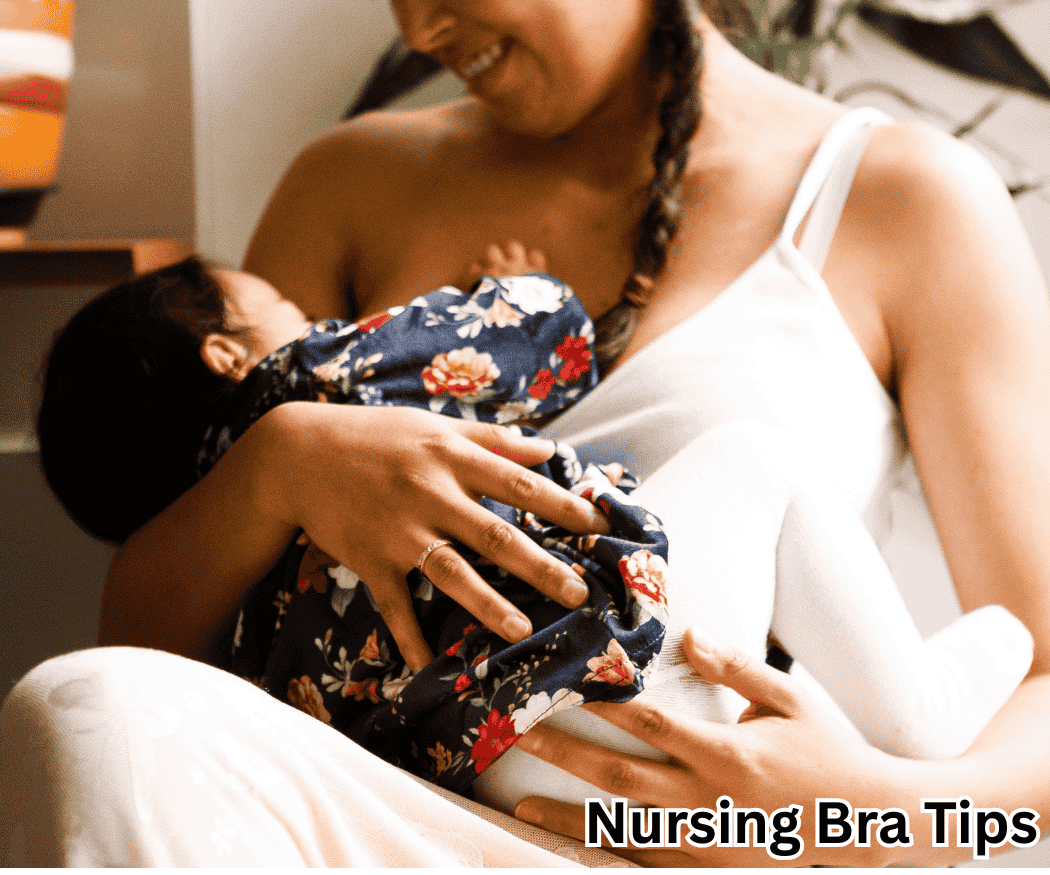
Feeding bras are specially constructed, offering distinctive features that are not available in regular bras.
Once you recognize these features, you will be able to manage your feeding bra properly and easily:
● Drop-Down Cups: The cups can be unfastened or pushed aside to expose the breast for feeding without needing to remove the bra.
● Clips and Clasps: These are closures located at the top of the cup by the straps that allow for quick opening and closing—with one hand—so you can access the breast for feeding.
● Support Panels: Some styles will have inner slings or panels that provide support for the breast even though you have unfastened the cup.
All of these features are focused on providing mothers the ability to feed with ease and comfort.
How to Wear a Feeding Bra Properly
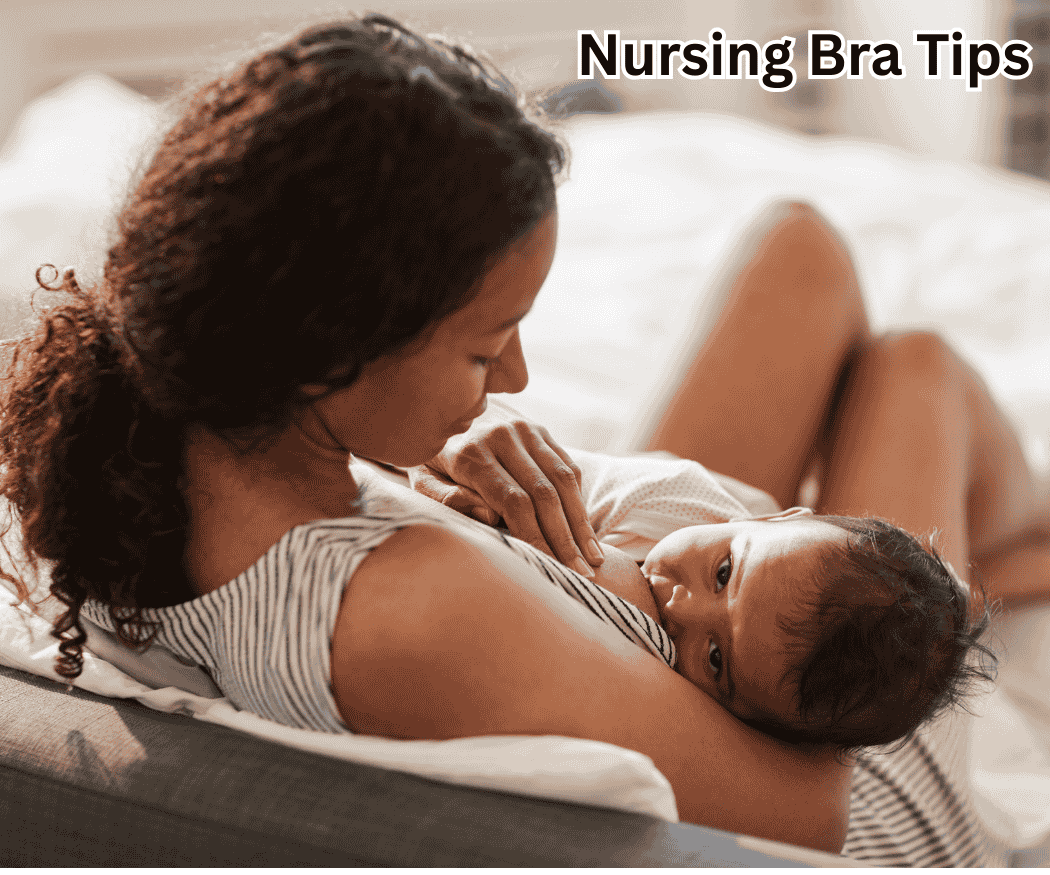
Wearing a feeding bra is easy, but getting the right size and having it adjusted properly is key to making a difference in getting the right fit.
➤ Starting with the right size: After the baby arrives, breasts can change a lot in size. A professional measuring you or measuring yourself will help you wear the correct support.
➤ Straps: Straps should be snug-fitting but not digging into your shoulders. Women with larger busts benefit from wider, cushioned straps.
➤ Band: The band should level out across your back and not feel too tight or up your back. Cups: Breast tissue should fill the cups snugly and not overflow or wrinkle.
When a feeding bra is put on properly, it should feel snug and yet give enough to adapt to variances throughout the day.
How to Open and Close the Nursing Clips with One Hand
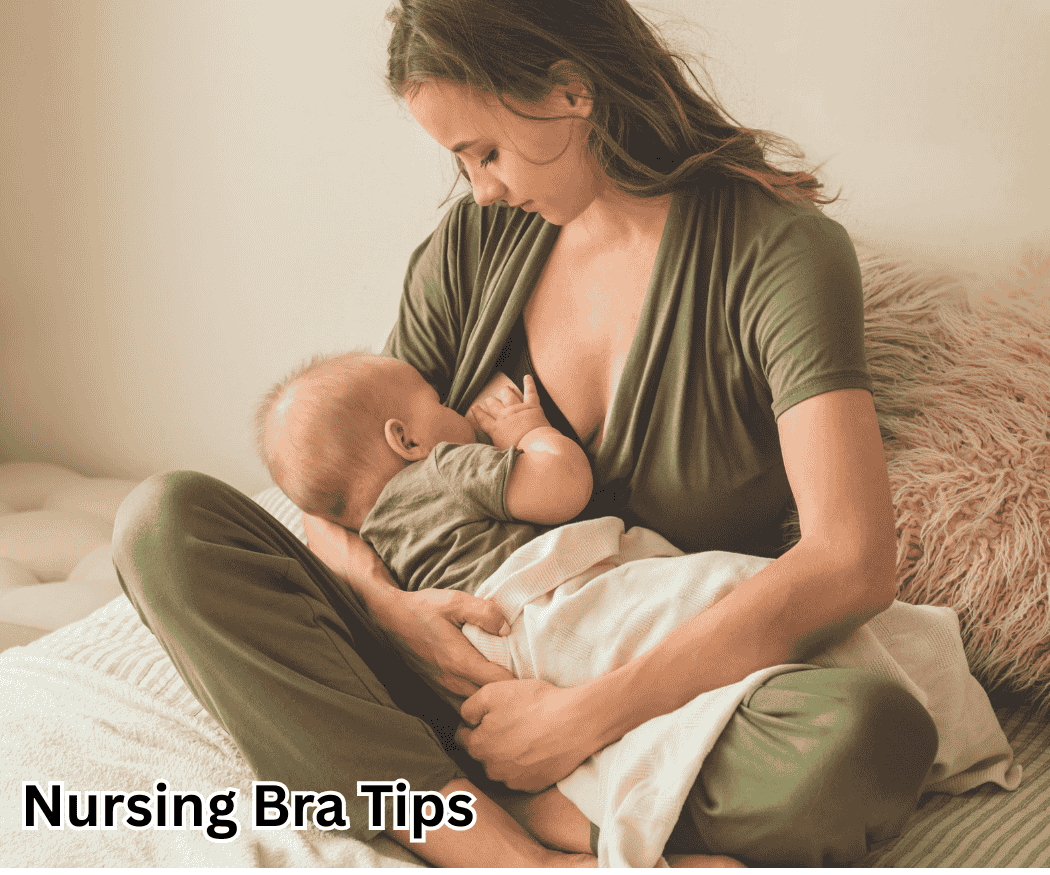
One of the best features of a feeding bra is the operation with one hand to pull the cups down and back in place.
You can transition the cup while holding your baby in the opposite arm during the process of getting ready or during nursing.
● Opening the cups: Insert either your finger or thumb onto the back of the clasp and lightly push or slide it. The cup will drop and allow your child access.
● Closing the cups: While your baby is still in one arm, you can use your free hand to push the unclipped clasp back until you hear it click into place once you pull it back up.
Try this action a couple of times before your baby arrives or in practice feeding sessions so that it comes naturally when you want to use the bra most.
Using the Bra During Breastfeeding Sessions
While feeding your baby, the design of the bra allows you and your baby comfort:
➤ Support: In the event one cup is down, hidden slings or side panels support the weight of the breast.
➤ Skin–to–skin contact: cups that can be opened allow your baby to get a correct latch and at the same time keep closeness.
➤ Free Hand Pumping (Option): Some styles of feeding bras are also equipped with the functionality of pumping bras, allowing you to attach the pump.
This aspect of nursing bras makes them an absolutely incredible tool for both breastfeeding and expressing milk.
Discreet Feeding Tips when using a Feeding Bra Outside
When outside of the house, many moms feel anxious about breastfeeding. A feeding bra can help make breastfeeding much easier while maintaining discretion:
● Wear layers: You may wear the feeding bra under a loose shirt, a cardigan, or a nursing cover/cover-up.
● Practice ‘nursing‘ at home: Familiarize yourself with removing and attaching the bra quickly and invisibly before you leave to go out.
● Choose Dark Fabrics and/or Patterns: This helps hide places of leaks or spills as appropriate.
When wearing a feeding bra with the proper clothing, you feel freer to breastfeed in any environment.
How to Care for and Wash Your Feeding Bras
Feeding bras are typically worn each day, and they can often be stained and contaminated with milk leaks, making proper care essential:
➤ Hand wash or gentle cycle: Use mild detergent with cold water. Do Not Use Fabric Softener: It compromises the elasticity of the material.
➤ Air dry: Place bras on a flat surface or hang to dry, avoiding washers/dryers, as heat dries out the fabric and prevents it from behaving as softly as it was made.
➤ Do not wear the same bra every day: At least get three—one to wear, one to wash, and one to hang.
Proper care of your bras provides hygiene as well as the fit and function.
Common Mistakes and How to Avoid Them
After all, there can be mistakes even with the best feeding bras that will have an impact on the enjoyment and the function:
● Lazy on Support Straps: Thin straps can have a negative effect, especially if the mom has a large bust and support style and comfort are
needed with their nursing bra.
● Wearing Bras Too Long: Over time, fabrics become loose—the elastics will stretch out. Bras should be replaced every 6 to 12 months or as needed.
● Washing Incorrectly: Do not machine wash using hot water or strong detergent; it can pull apart the fabric.
Avoiding these mistakes will have a positive impact on the comfort and function of the feeding bras will last a long time.
Conclusion
If feeding bras are used appropriately, the overall process of nursing can be a gentle bonding experience for the new mom and baby.
Feeding bras are a wardrobe essential for a mother during the postnatal phase. It makes life a lot easier being able to utilize the clasps with one hand, having a wrap option, etc.
For parents looking for extra support, especially parents with nursing bras to support larger busts, finding the right style and fit can yield both comfort and confidence during this momentous phase of motherhood.